The Trade Remedy Authority of Vietnam has issued Decision 460/QD-BCT on 21 February 2025 to impose the preliminary anti dumping duty rates against Hot-Rolled Steel (“AD rate”) from China and India. Accordingly, the AD rate only applies to HRS from China. HRS from India shall not be subject to the preliminary AD rate for the reason that the HRS import volume from India does not meet the regulatory minimum amount (3% of total HRS import…
Companies engaged in continuous production processes may face challenges when using the EU inward processing procedure. For background, inward processing allows an EU company to import materials without having to pay import duties and other charges like anti-dumping and anti-subsidy duties, if the product made with these imported materials is exported. First, EU customs law allows companies to use inward processing if the imported non-EU materials used in the production can be identified in the…
Under EU customs law, storing and warehousing EU and non-EU goods is possible if certain conditions are met. However, since 2020, non-EU goods subject to anti-dumping, countervailing, or safeguard measures, can no longer be stored together with EU goods. This is because EU customs law now states that non-EU goods subject to anti-dumping measures do not have the same commercial quality as EU goods, and goods that do not have the same commercial quality cannot…
On 24 September, the European Commission (“Commission”) announced that, as a general policy measure, it would start automatically registering imports of products subject to anti-dumping and anti-subsidy investigations, including in ongoing investigations. Until now, complainants had to request the Commission to register imports based on evidence of stockpiling (i.e., of increased imports during the investigation). On 24 October, the Commission published a several regulations in fact registering imports in all ongoing anti-dumping and anti-subsidy investigations.…
Few companies know all the opportunities the World Trade Organization (“WTO”) offers to resolve trade-related problems or frictions. The WTO’s functioning does not depend only on its Dispute Settlement Body (“DSB”). It has several committees that can be even more powerful than the DSB. Examples are the Committee on Anti-Dumping Practices (“AD Committee”) and the Committee on Subsidies and Countervailing Measures (“SCM Committee”). This Blog explains how both offer a forum to resolve practical and…
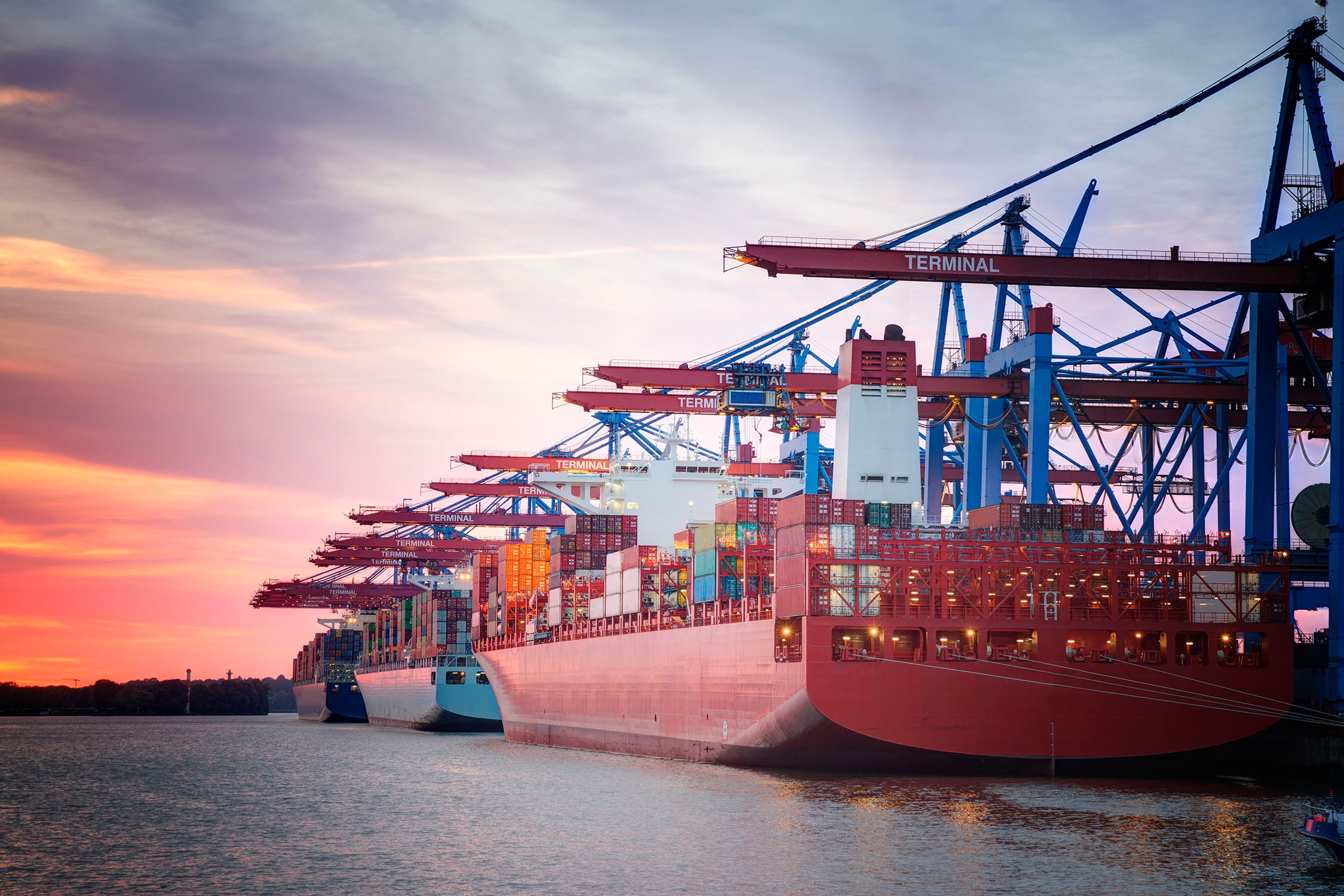
In the realm of international trade, the anti-dumping instrument plays a crucial role in safeguarding domestic industries against unfair trading practices. The high number of anti-dumping investigations initiated around the world, as well as an increasingly broad product scope (such as touted cases on hydrogen or electric vehicles), mean that many internationally active companies will need to be aware of anti-dumping. While World Trade Organization law sets out the general framework for municipal anti-dumping rules,…
Türkiye as a Target for EU Trade Remedy Measures – What Turkish Exporting Producers Should Know The European Union (EU) actively uses anti-dumping and anti-subsidy (or countervailing duty) investigations to protect the EU manufacturing industry from competition from imports. Imports from Türkiye are a prime target for these investigations: in the past 20 years, imports from Türkiye were targeted in 15 anti-dumping and anti-subsidy investigations. Five of these investigations were initiated in the last three…